Our Journey
From five children on open ground in 2019 to a registered trust run by its own people. The work came before the paperwork.
A circle before an organisation
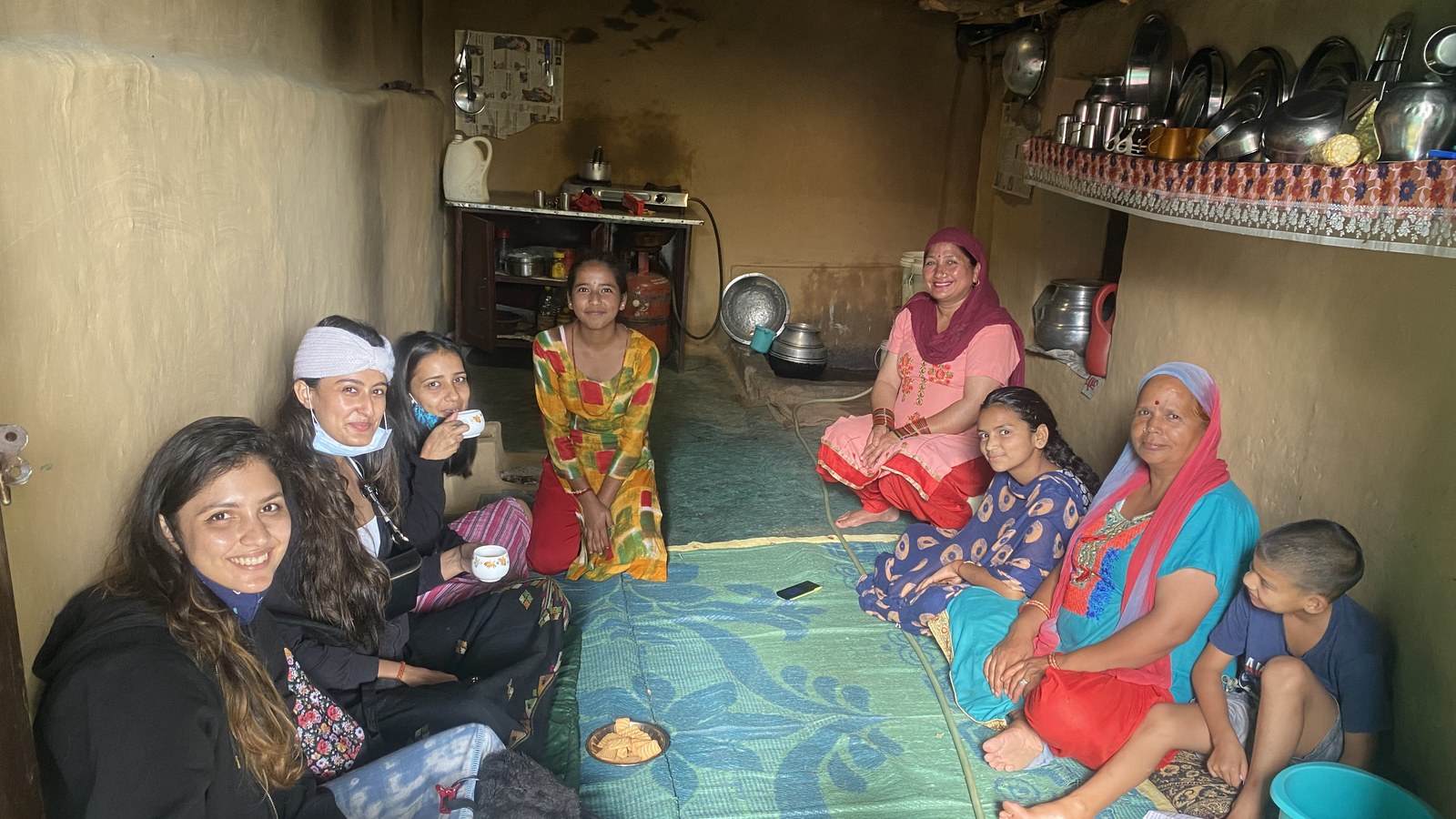
In 2019, after finishing her masters, our founder Devyani moved to Tillu, a small Himalayan village near Dharamshala that did not appear on Google Maps. She came for field research, not with a proposal or a grant plan, and spent her first weeks simply watching village life.
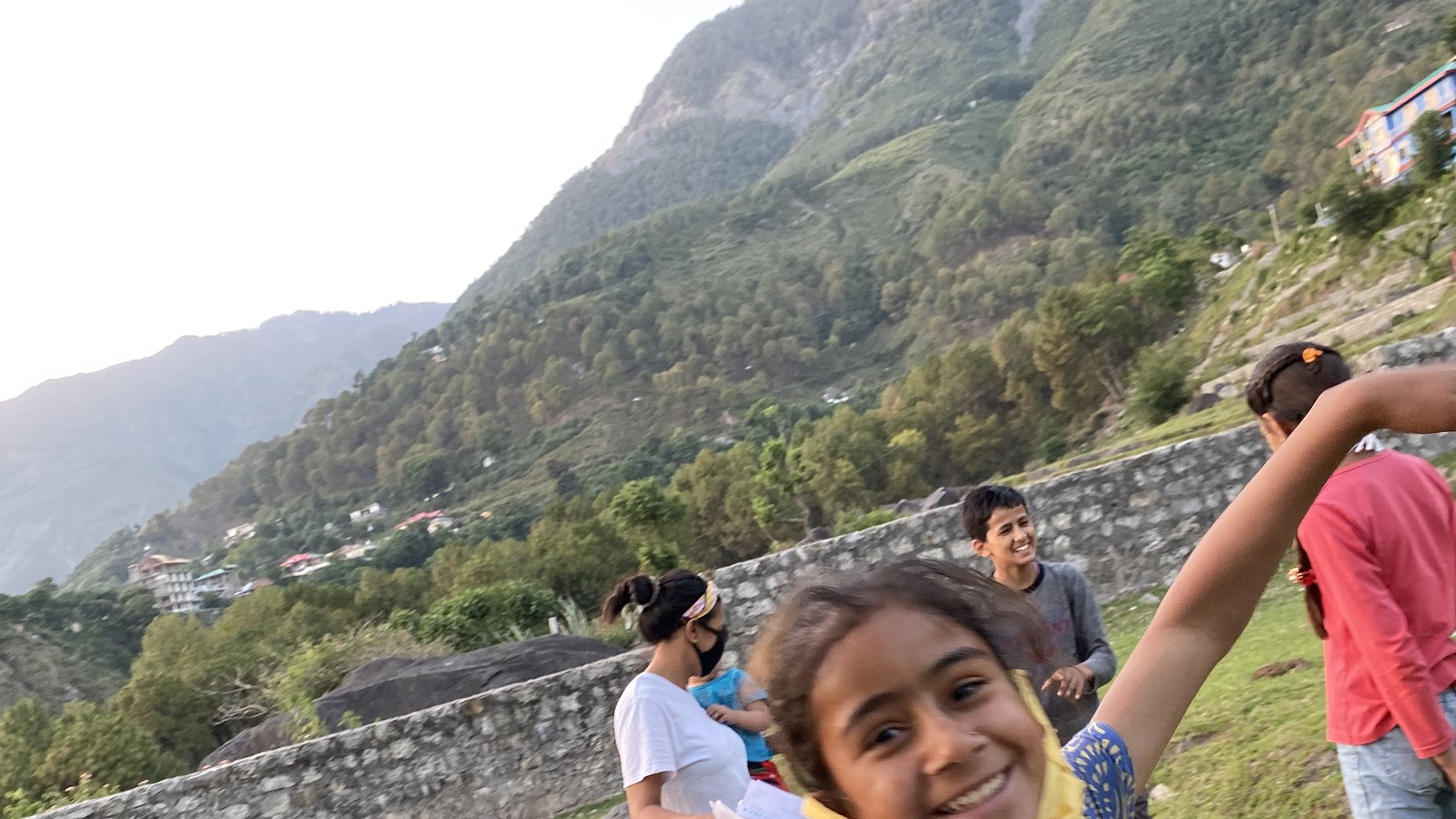
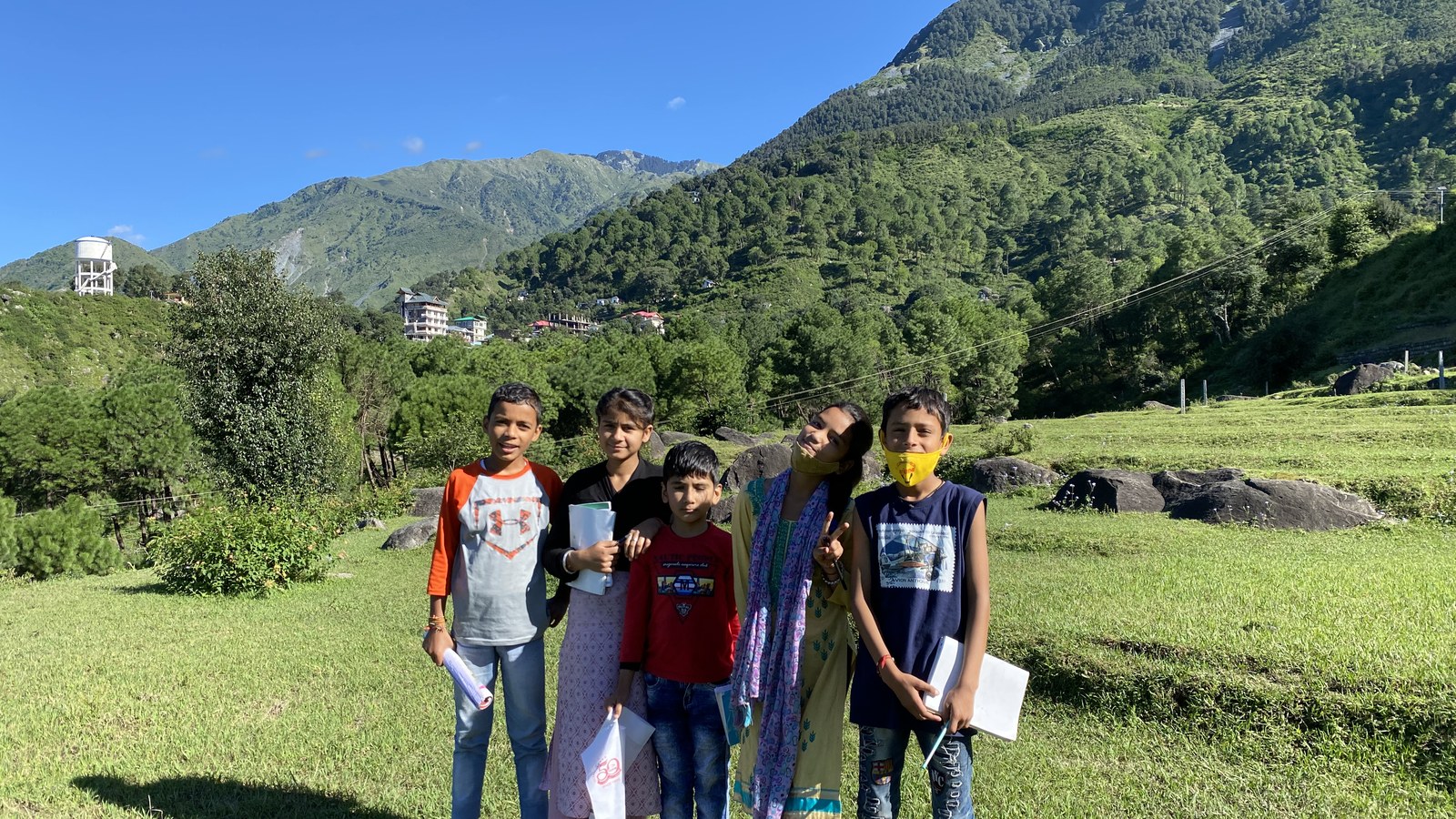
What she saw, every afternoon, were five or six children from the nearby government school wandering after class. Studying after school was not part of anyone's routine. So she started sitting with them in a small learning circle. No classroom, no formal curriculum, no hierarchy. The motto was the whole model: Padhenge aur Padhaenge. We will learn, and we will teach.
How the work took shape
-
2019
The origin. A field-research stay in Tillu becomes a daily learning circle of five children. Padhenge aur Padhaenge.
-
2020
COVID closes schools. The village has no smartphones and no usable internet. The circle grows as nearby villages join. Zero dropouts among the children we work with directly.
-
2021–2023
Our founder serves as a Teach For India Fellow to deepen her understanding of education and systems change, while the circles continue in the village.
-
2022
Samta Tillu is formally registered as a charitable trust. The work had been rooted in the community for years before it had paperwork.
-
2023
The founder returns full-time and studies grassroots organisations across rural Himachal to sharpen the model in field reality.
-
2024
First office space. Samta Tillu builds its public presence, deliberately late: the work came before the telling of it.
-
2025
Field work with local networks, first crowdfunding, and an admin team built entirely from founding members. No outside hires.
-
2026
FCRA application in preparation, targeted for September, to responsibly open the door to global supporters.
Back to About Us"Uncle school toh band hai, ab tuition bhi na lagaye."
Ishaan, one of the first five students, arguing on day one that if school was closed, tuition should be closed too. He lost the argument and stayed.